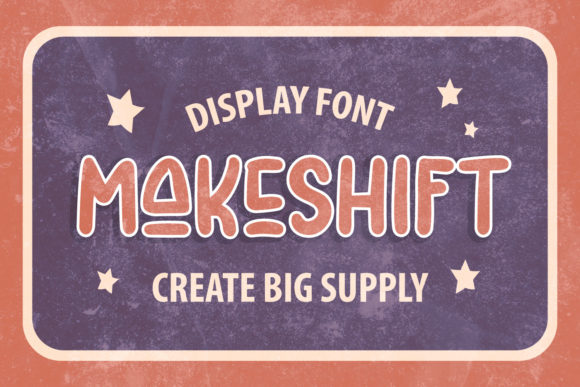
Global Pandemic Display Font for Digital Creatives
Global Pandemic is a cool and fun looking display font that brings an unmistakable energy to any digital canvas. Its visual personality sits somewhere between playful confidence and polished novelty, with letterforms that feel handcrafted yet intentionally structured. The rounded contours, slightly irregular baseline rhythm, and expressive character shapes give it a voice that feels approachable without sacrificing impact. As a display font, it thrives at larger sizes where its quirks can breathe, making it an ideal candidate for headline-driven layouts, brand-centric hero sections, and any interface element that needs to stop a visitor mid-scroll. Unlike more clinical sans serif fonts built for body copy, Global Pandemic carries a warmth that softens digital experiences without undermining professionalism. For web designers and UI creators who curate fonts libraries with intention, this typeface adds a layer of personality that many modern web projects quietly lack.
Global Pandemic Display Font for Website Hero Sections and Landing Pages
Landing pages live or die on first impressions, and the right display font can shift a bounce into a scroll within half a second. Global Pandemic excels in hero sections where oversized typography sets the emotional tone before a single paragraph of body copy loads. When placed above the fold on a product landing page or a coaching website, this fonts approachable curves and bold presence create an immediate brand handshake that feels intentional rather than templated. The key to using Global Pandemic effectively in hero layouts is restraint in surrounding elements. Because the typeface carries substantial visual weight, it pairs best with generous whitespace, a muted background gradient, or a subtle geometric pattern that does not compete for attention. For a course sales page or a digital product launch, placing Global Pandemic as the hero title with a crisp sans serif font handling the subtitle preserves clarity while letting the personality shine where it matters most.
Using Global Pandemic for Online Store Banners and Promotional Graphics
E-commerce environments demand typography that cuts through the noise of product grids, discount badges, and competing calls to action. Global Pandemic, as a display typeface with genuine personality, works exceptionally well in online store banners and seasonal promotional graphics where differentiation directly impacts click-through rates. A boutique online store selling handmade goods or curated lifestyle products can use this font across site-wide announcement bars, collection headers, and limited-time offer banners to maintain a cohesive visual language that feels boutique rather than mass-market. Because Global Pandemic carries a fun, almost conversational energy, it resonates with audiences browsing for creative, design-forward, or artisan products. The rounded terminals and playful proportions soften promotional urgency, making discount announcements feel inviting instead of aggressive. For shop owners building design assets around a brand identity, consistent use of Global Pandemic across banners, email headers, and social media graphics builds recognition faster than mixing multiple display fonts across channels.
Global Pandemic Font Pairing Strategies for Modern Web Typography
Every display font needs a reliable partner for body copy, and pairing Global Pandemic thoughtfully can define the entire typographic rhythm of a website. The most effective font pairing strategy for web projects involves anchoring Global Pandemic in headline positions while delegating paragraph text, navigation labels, and form inputs to a clean sans serif font with neutral proportions. Options like Inter, Work Sans, or DM Sans provide the understated backbone that lets Global Pandemic perform without visual friction. For digital creators pursuing a more editorial aesthetic, combining Global Pandemic with a refined serif font such as Source Serif or Lora introduces an unexpected contrast between playful display typography and classic reading comfort. This combination works beautifully on portfolio sites, creative agency landing pages, and blog headers where the tension between tradition and novelty reinforces a sophisticated brand identity. The golden rule remains consistent across all fonts combinations: Global Pandemic should lead, never compete, with its supporting typeface.
Building Brand Identity with Global Pandemic Across Digital Platforms
A recognizable online presence depends on typographic consistency, and Global Pandemic offers enough character to anchor an entire brand identity across websites, social media graphics, and digital products. When a coaching website, freelance portfolio, or SaaS landing page uses this display font systematically across hero headers, testimonial pull quotes, and key statistics callouts, visitors absorb a coherent visual signature without conscious effort. The rounded, friendly letterforms of Global Pandemic convey warmth and creativity, making it particularly suitable for brands that want to position themselves as approachable experts rather than distant authorities. For logo design applications, the typeface can stand alone as a wordmark or integrate into a larger lockup with an icon, depending on the brand's complexity needs. Digital brand kits that include Global Pandemic alongside defined color palettes and spacing rules give web designers and content creators a repeatable system for maintaining visual identity across landing pages, email templates, course platforms, and online storefronts.
Global Pandemic for Call-to-Action Areas and Conversion-Focused Layouts
Conversion elements like buttons, signup prompts, and limited-offer sections depend on typography that balances urgency with trust. Global Pandemic brings a disarming quality to call-to-action areas that aggressive fonts can inadvertently undermine. When used for short phrases such as "Join the Waitlist," "Get Instant Access," or "Start Your Free Trial," this display font injects personality into micro-copy without reducing perceived professionalism. Web designers optimizing conversion-focused layouts should reserve Global Pandemic for primary headline CTAs and section headers rather than small button text, where its details may lose clarity on mobile screens. A product landing page structured around a single conversion goal might feature Global Pandemic in the main value proposition headline, supported by a restrained sans serif for pricing details, feature lists, and trust badges. This layered approach uses typographic contrast to guide scanning behavior, drawing the eye first to the emotionally engaging display text before feeding logical decision-making through cleaner supporting typeface choices.
Responsive Readability Tips for Global Pandemic Display Font on Mobile Screens
Mobile traffic now dominates web usage, and any display font used in responsive layouts must pass the small-screen readability test. Global Pandemic holds its legibility at moderate mobile sizes better than many decorative fonts, but web designers should still apply careful breakpoint adjustments. On viewports below 480 pixels, scaling hero headlines set in Global Pandemic down by 20 to 30 percent preserves impact while preventing awkward line breaks or letter crowding. Line height should increase slightly on mobile to give the rounded letterforms room to breathe, especially when the typeface appears over photographic backgrounds or gradient overlays. For navigation elements and interactive components, Global Pandemic is best reserved for branding lockups or hamburger menu titles rather than functional micro-labels where clarity cannot be compromised. Testing across actual devices rather than browser resizing alone reveals how the typeface renders on different pixel densities and operating systems, ensuring the modern typography choices made during design translate faithfully to the end user experience.
Optimizing Global Pandemic for Dark Backgrounds and Image Overlays
Reverse-type scenarios test a display font differently than standard light-background layouts, and Global Pandemic performs distinctively across both contexts. On dark backgrounds, the rounded strokes and open counters of this fonts design maintain legibility without the light bleed that plagues thinner typefaces. When placing Global Pandemic over image overlays in hero sections or banner graphics, a semi-transparent dark scrim between the photograph and the text preserves contrast ratios without dulling the visual energy of the background image. For web design projects that alternate between light and dark mode, testing Global Pandemic in both environments during the design phase prevents accessibility issues from surfacing post-launch. The typeface holds up remarkably well at typical display sizes on dark surfaces, retaining its friendly character while meeting the contrast requirements that keep content readable for all users.
Global Pandemic Commercial Licensing for Web Designers and Client Projects
Licensing considerations directly affect how fonts can be deployed across commercial projects, and understanding the usage rights attached to Global Pandemic prevents compliance headaches later. Most commercial font licenses for display typefaces cover standard website embedding, client work, digital templates, and online store usage, but web designers should verify the specific terms before using Global Pandemic across multiple client sites or bundling it into a design asset marketplace product. Checking included file formats such as WOFF2, OTF, and TTF ensures compatibility with modern web design workflows, while confirming webfont availability simplifies implementation through standard @font-face declarations or hosting services. Multilingual support may be relevant for global brands, so examining the character set coverage for extended Latin, diacritics, and special glyphs prevents mid-project surprises. For designers building design assets like brand kits, social media templates, or course materials for resale, confirming that the license permits derivative distribution protects both the creator and the end client from usage disputes.